
Kaiten
One of our original performance piece dating back to early 1990's. "Kaiten" means to spin it around in Japanese as rhythm patterns are simply repeated over.
Originally started as a warm-up practice piece to get members to learn the basic patterns of taiko.
As time goes by, it evolved into a beginner's performance piece by incorporating some simple kata and tempo change.
Download Kaiten song sheet
Omatsuri
"Omatsuri" means "Festival" in Japanese.
Evokes the images of people dancing to the beat of odaiko accompanied with shino bue, atarigane, shime daiko.
Theis song was originally written by Aimee Yamada of Yamato Taiko group in Gardena and with her blessing, we modified the original score for Kokoro Taiko.
(Thank you, Aimee)
Hibiki
(original score by Sharen Koga, modified and adapted by Kokoro Taiko)
"Hibiki" means an echo or reverberations in Japanese.
This is a fast paced beat that was originally written by Sharen Koga of KinnaraTaiko for Daion Taiko (that's what we have been told...).
We liked it so much that we adapted the piece and modified it for Kokoro Taiko.
Utsu Hachijo
This song was written by Ondeko-za for Zenshuji Zendeko.
We were fortunate to have former Zendekko member joined our taiko group and was kind enough to show us the basic of utsu hachijo in the video link below.
For our performance, we modified the "kata" to be bit more manageable for our aging body and we split the original in to two sections, A and B.
Piece will start with solo play of B then joined by two more performers to play A & B.
Shime/chu daiko solo then final B with everyone playing at faster clip.
Download utsu-hachijo song sheet.
Miyake
Island of Miyake is located in Pacific Ocean 180km south of Tokyo.
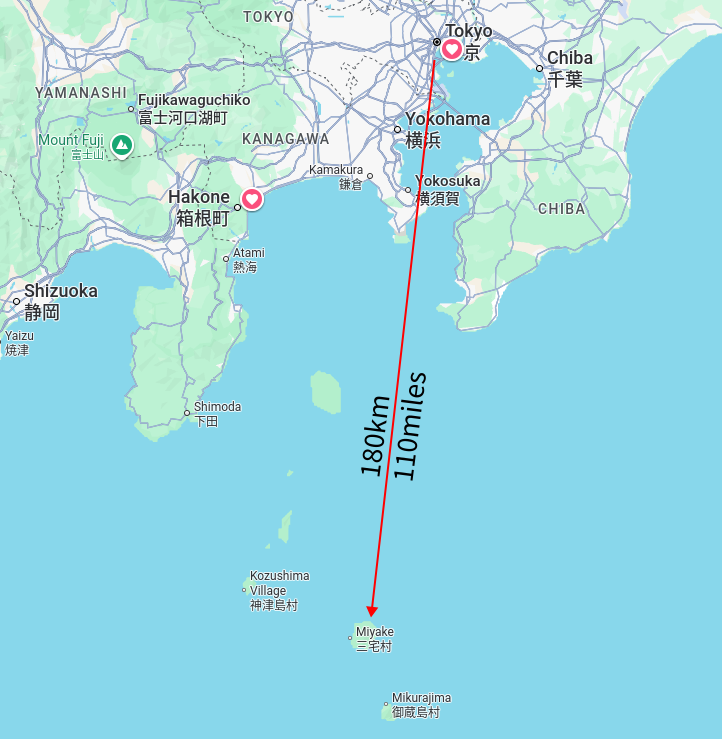
There, a very unique style of taiko is performed by the locals. Instead of propping the Odaiko upright, the taiko is placed on its side with special stand only 4" off the ground. In this position, the taiko player must stand very low to hit the taiko.
The beat is highly syncopated and very aggressive stance and a joy to listen as well as to watch.
As for taiko player, pair of STRONG leg is highly recommended.
Played in traditional horizontal style, music adapted by Mike Ando for Kokoro Taiko
Yatai Bayashi
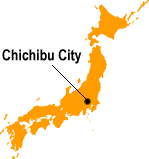
Formal name is "Chichibu Yatai Bayashi" (秩父屋台囃子)
We just call it "Yatai Bayashi"
This style was popularized by Kodo and Ondekoza.
It is originated from City of Chichibu in Japan located in Saitama Prefecture for Chichibu Yomatsuri (秩父夜祭), an annual festival held in December 2 to 3.
During the two daylong festival, the locals pulls the mikoshi (a portable shrine) with wheels throughout the town. This two story mikoshi weighing over 10 metric tons, reaching heights over 10m.
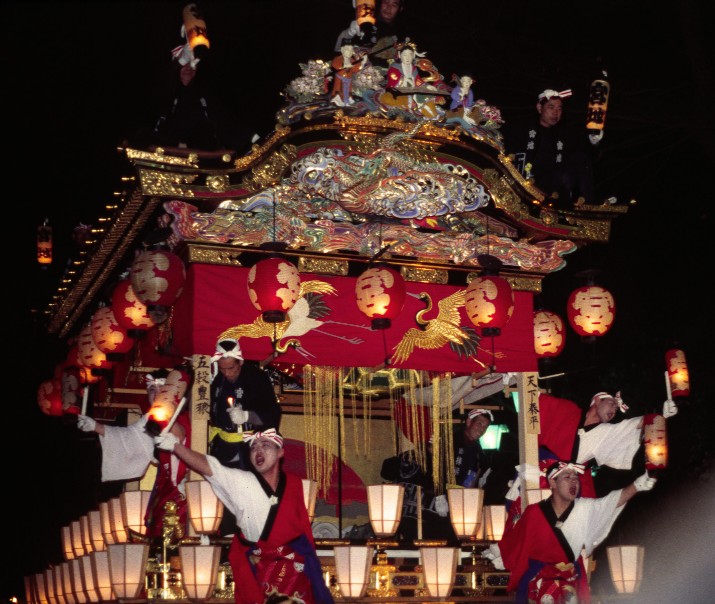
A distinct fast paced rhythm can be heard from the inside of the Mikoshi. Inside the mikoshi there is a small room where a taiko, a shime, flute and kane player all crammed in a small space. Since the "Room" does not allow for taiko player to play upright, sit down style was developed to play the rhythm.
This is where the so called "Kodo"style came from. (of course, Kodo made the style much more dramatic than how locals do...)
Kokoro taiko version is a basic form of Yatai-Bayashi,which is about 4 minutes long.
Printed materials:
Download yatai_bayashi song sheet
Download yatai_bayashi_short form song sheet